
Managing a construction project can feel overwhelming when you have to deal with workers, materials, deadlines, budgets, clients, and unexpected problems at the same time. The good news is that the right construction project management tips can help you stay organized, reduce delays, control costs, and complete your project more smoothly.
Whether you are managing a small residential project or a large commercial construction job, good planning and communication can make a major difference.
What Is Construction Project Management?
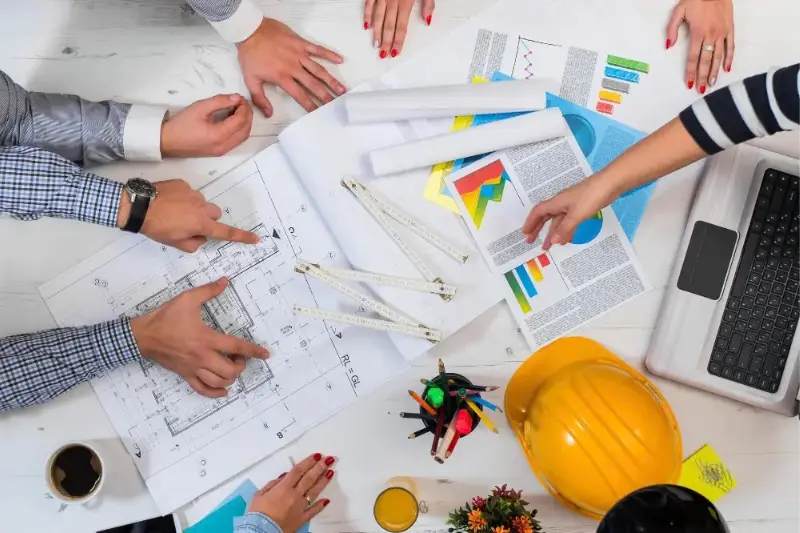
Construction project management is the process of planning, organizing, coordinating, and controlling a construction project from beginning to completion.
A construction project manager may be responsible for:
- Creating project schedules
- Managing budgets
- Coordinating contractors and subcontractors
- Ordering and tracking materials
- Monitoring work quality
- Managing safety requirements
- Communicating with clients
- Handling project changes
- Solving problems and delays
- Making sure the project stays on schedule
The goal is simple: complete the project safely, within budget, on time, and according to the required quality standards.
1. Create a Detailed Project Plan
One of the most important construction project management tips is to plan before work begins.
Before workers arrive on-site, clearly define what needs to be completed. Your plan should include the project scope, estimated costs, materials, labor requirements, deadlines, and responsibilities.
A good project plan gives everyone a clear understanding of what they need to do.
Include These Items in Your Plan
- Project goals
- Construction drawings and specifications
- Work schedule
- Material requirements
- Labor requirements
- Estimated costs
- Safety procedures
- Quality standards
- Important deadlines
- Communication methods
The more clearly you plan, the fewer surprises you are likely to face later.
2. Set a Realistic Construction Schedule
A construction schedule helps you understand what needs to happen and when.
Break the project into smaller tasks and assign realistic deadlines to each one. For example, a residential construction project might include excavation, foundation work, structural work, roofing, electrical installation, plumbing, plastering, flooring, painting, and final inspections.
Avoid creating an overly aggressive schedule just to promise an early completion date. A schedule that does not account for realistic working conditions can quickly fall behind.
Track Important Milestones
Create milestones for major stages of the project, such as:
- Site preparation
- Foundation completion
- Structural completion
- Roofing
- MEP installation
- Interior finishing
- Final inspection
- Project handover
Regularly compare actual progress with your planned schedule.
3. Set a Clear Project Budget
Cost control is one of the biggest challenges in construction.
Before starting the project, prepare a detailed budget covering labor, materials, equipment, transportation, permits, subcontractors, and other expenses.
Don’t forget to include a contingency amount for unexpected costs.
Monitor Costs Regularly
Do not wait until the end of the project to review spending. Check costs regularly and compare actual expenses with the original budget.
If a particular expense is increasing faster than expected, address it early instead of allowing the problem to grow.
4. Communicate With Your Team
Good communication can prevent many construction problems.
As a project manager, make sure workers, subcontractors, suppliers, engineers, architects, and clients understand important updates and changes.
Hold regular meetings to discuss:
- Current progress
- Upcoming work
- Material requirements
- Safety concerns
- Delays
- Design changes
- Quality issues
- Problems that need immediate attention
Keep communication simple and direct. If someone is unsure about their responsibility, clarify it before work begins.
5. Choose Reliable Contractors and Subcontractors
Your project is only as strong as the people working on it.
Before hiring contractors or subcontractors, check their experience, previous projects, reputation, qualifications, availability, and ability to complete work according to your requirements.
Don’t automatically choose the cheapest contractor. A low initial price can become expensive if the contractor causes poor-quality work, rework, delays, or material waste.
6. Manage Materials Carefully

Material shortages can stop construction work and create expensive delays.
Create a material procurement plan that shows what materials are required, when they are needed, and who is responsible for ordering them.
Keep track of:
- Cement
- Steel
- Bricks or blocks
- Sand
- Electrical materials
- Plumbing materials
- Flooring
- Paint
- Fixtures
- Finishing materials
Order important materials early enough to account for supplier delays.
At the same time, avoid ordering excessive quantities that create unnecessary storage problems or waste.
7. Monitor Work Quality
Quality control should happen throughout the project, not just during the final inspection.
Regularly inspect completed work and make sure it follows the drawings, specifications, building requirements, and agreed standards.
If you notice a problem, address it immediately.
Fixing a small issue early is usually much easier and less expensive than correcting the same problem after several additional construction stages have been completed.
8. Keep Proper Documentation
Good documentation protects everyone involved in the project.
Keep records of:
- Contracts
- Drawings
- Estimates
- Purchase orders
- Invoices
- Work schedules
- Inspection reports
- Change orders
- Meeting notes
- Payment records
- Material deliveries
- Safety records
Proper documentation also makes it easier to understand what happened if a disagreement occurs.
9. Manage Changes Carefully
Construction projects often change after work has started. A client may request a different material, the design may be modified, or an unexpected site condition may be discovered.
Do not handle major changes through informal verbal agreements.
Document the change and clearly explain how it will affect:
- Project cost
- Completion date
- Materials
- Labor
- Project scope
This helps prevent misunderstandings between the client and construction team.
10. Manage Construction Risks
Every construction project has risks.
Some common risks include:
- Bad weather
- Material price increases
- Labor shortages
- Equipment breakdowns
- Design errors
- Site accidents
- Material shortages
- Unexpected site conditions
- Subcontractor delays
Identify potential risks before construction begins and decide how you will respond if they occur.
For example, if a particular material has a long delivery time, identify alternative suppliers before you actually need the material.
11. Focus on Site Safety
Safety should never be treated as an optional part of construction management.
Make sure workers understand basic safety procedures and have appropriate protective equipment. Keep the site organized and address dangerous conditions immediately.
Regular safety inspections can help identify hazards before someone gets injured.
A safer site can also reduce downtime, damage, and unexpected project costs.
12. Use Technology to Stay Organized
Modern construction technology can make project management much easier.
Depending on the size of your project, you can use software or digital tools to manage:
- Project schedules
- Budgets
- Documents
- Tasks
- Material orders
- Worker communication
- Progress reports
- Photos
- Inspections
Even simple digital spreadsheets and shared documents can improve organization compared with relying entirely on paper records.
13. Track Daily Progress
A daily progress report can give you a clear picture of what is happening on-site.
Record important information such as:
- Number of workers
- Work completed
- Materials delivered
- Equipment used
- Weather conditions
- Problems encountered
- Safety incidents
- Delays
- Photos of progress
These records become particularly useful when you need to investigate delays or explain project progress to a client.
You may also like to read this:
Construction Materials Market Trends: 2026 Guide
Residential Construction Market Trends: 2026 Guide
Top Sustainable Construction Trends For Modern Buildings
Latest Construction Equipment Industry Trends For 2026
Construction Bidding Tips For Contractors | Win More
14. Control Waste
Construction waste can increase project costs significantly.
Try to control waste by ordering accurate quantities, storing materials properly, and using materials efficiently.
For example, protect cement from moisture, store steel correctly, and make sure finishing materials are protected from damage.
Good material management can save money without reducing quality.
15. Build Strong Relationships With Suppliers
Reliable suppliers can make construction management much easier.
Develop relationships with suppliers who consistently provide good-quality materials on time.
You can also maintain a list of alternative suppliers so you have options when your primary supplier cannot meet your requirements.
16. Keep the Client Updated
Clients should not have to constantly ask what is happening with their project.
Provide regular updates about progress, costs, upcoming work, and any important problems.
If there is a delay or unexpected cost, communicate it as early as possible.
Being honest about problems usually builds more trust than hiding them until they become impossible to ignore.
17. Review Project Performance Regularly
Don’t wait until the project is finished to evaluate your performance.
During construction, ask:
- Are we on schedule?
- Are we within budget?
- Is the work meeting quality standards?
- Are materials arriving on time?
- Are subcontractors performing properly?
- Are there unresolved safety issues?
- Are changes being documented?
- Are there risks that need attention?
Regular reviews allow you to correct problems before they become major issues.
Common Construction Project Management Mistakes
Even experienced project managers can make mistakes. Some of the most common include:
Poor Planning
Starting work without a clear plan often leads to delays, confusion, and unnecessary costs.
Weak Communication
If information does not reach the right people, mistakes and misunderstandings become more likely.
Ignoring Small Problems
A small construction defect or delay can become much more expensive if it is ignored.
Poor Cost Tracking
Without regular budget monitoring, expenses can quickly exceed the original estimate.
Failing to Document Changes
Verbal changes can lead to disagreements about responsibility, cost, and completion dates.
Choosing Contractors Only by Price
The cheapest option is not always the best value. Experience, reliability, quality, and communication are also important.
A Simple Construction Project Management Checklist
Before and during your next project, use this basic checklist:
- Define the project scope
- Create a realistic schedule
- Prepare a detailed budget
- Hire reliable contractors
- Plan material procurement
- Assign clear responsibilities
- Establish communication procedures
- Monitor work quality
- Track daily progress
- Control material waste
- Monitor project costs
- Document changes
- Conduct safety inspections
- Review risks regularly
- Keep the client informed
- Complete a final project review
Final Thoughts
Good construction management is not just about getting workers to complete tasks. It is about keeping the entire project organized from planning through completion. By following these construction project management tips, you can improve communication, control costs, reduce delays, manage risks, and deliver better-quality construction projects.
The most important thing is to stay proactive. Don’t wait for a small problem to become a major one. Plan carefully, communicate regularly, track progress, and keep accurate records throughout the project. When you manage these areas consistently, construction projects become much easier to control.
FAQs
1. What is construction project management?
Construction project management is the process of planning, coordinating, and controlling a construction project from start to finish. It includes managing schedules, budgets, workers, materials, quality, safety, and communication.
2. What are the most important construction project management tips?
Some of the most important tips include creating a detailed plan, setting a realistic schedule, monitoring costs, communicating regularly, managing materials, checking quality, documenting changes, and identifying risks early.
3. How can I keep a construction project on schedule?
Break the project into smaller tasks, assign realistic deadlines, monitor progress regularly, and address delays as soon as they appear. Good communication with contractors and suppliers can also help prevent scheduling problems.
4. How can construction project managers control costs?
Project managers can control costs by creating an accurate budget, tracking expenses regularly, comparing actual costs with estimates, reducing material waste, and documenting changes that may increase the project cost.
5. Why is communication important in construction project management?
Clear communication helps everyone understand their responsibilities, deadlines, design requirements, and project changes. It can reduce misunderstandings, mistakes, delays, and disputes.