
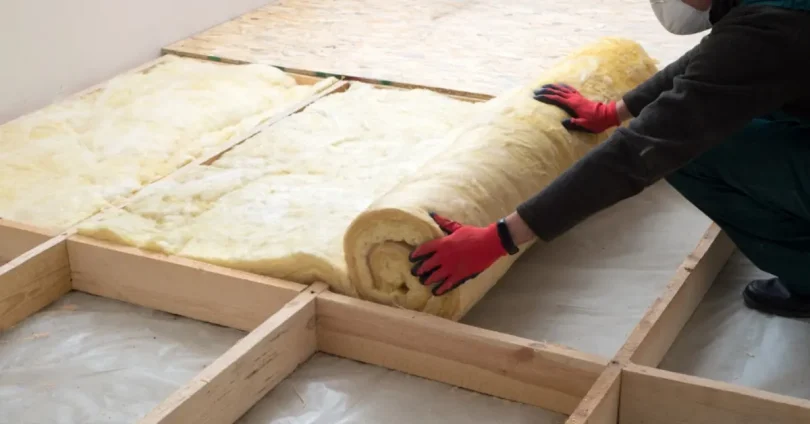

Choosing the best insulation materials for homes can make a big difference in your comfort, energy bills, and indoor temperature. Good insulation helps keep your home warm in winter and cooler in summer by slowing down the movement of heat. Whether you are building a new house or improving an existing one, selecting the right insulation material is an important decision.
In this guide, you will learn about different insulation materials, their advantages, disadvantages, common uses, and how to choose the right option for your home.
What Is Home Insulation?
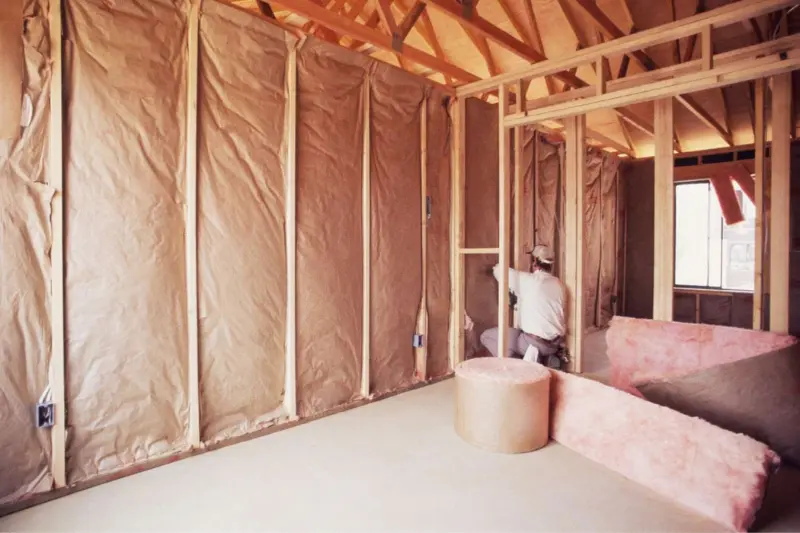
Home insulation is a material installed in walls, roofs, ceilings, floors, and other parts of a building to reduce heat transfer. It creates a barrier between the indoor and outdoor environments.
For example, during hot weather, insulation can reduce the amount of outdoor heat entering your home. During cold weather, it helps prevent indoor heat from escaping.
Good insulation can also improve sound control and make indoor spaces more comfortable.
Why Is Insulation Important?
Before choosing insulation, it helps to understand why it matters.
Reduces Energy Use
Proper insulation reduces the workload on air conditioners, heaters, and other temperature-control systems. This can help lower energy consumption.
Keeps Rooms More Comfortable
Insulated homes generally maintain a more stable indoor temperature. You may notice fewer extremely hot or cold areas inside the house.
Reduces Heat Transfer
Insulation slows heat movement through walls, roofs, ceilings, and floors. This is especially useful in areas with very hot summers or cold winters.
Provides Some Sound Control
Some insulation materials can reduce the movement of sound between rooms and from outside the house.
Helps Improve Building Efficiency
A properly insulated home can be more energy efficient and may require less heating and cooling throughout the year.
Best Insulation Materials for Homes
There is no single insulation material that is perfect for every house. The best option depends on your climate, budget, location, moisture conditions, and the part of the house being insulated.
Here are some of the most commonly used options.
1. Fiberglass Insulation
Fiberglass is one of the most common insulation materials used in residential construction. It is made from very fine glass fibers and is available in batts, rolls, and loose-fill forms.
Advantages of Fiberglass
- Relatively affordable
- Widely available
- Suitable for walls, ceilings, and attics
- Easy to install in many applications
- Available in different thicknesses
Disadvantages of Fiberglass
- Must be installed correctly to perform well
- Can lose effectiveness if compressed
- Fibers can irritate the skin, eyes, and respiratory system during installation
Fiberglass can be a practical choice when you want effective insulation without spending too much.
2. Mineral Wool Insulation
Mineral wool, also called rock wool or stone wool, is made from mineral materials and is commonly available in boards or batts.
It is known for its thermal and acoustic performance.
Advantages of Mineral Wool
- Good thermal insulation
- Excellent sound reduction
- Resistant to high temperatures
- Does not easily absorb water compared with some other insulation types
- Suitable for walls and ceilings
Disadvantages of Mineral Wool
- Can cost more than basic fiberglass
- Heavier than some other insulation materials
- Requires proper protective equipment during installation
Mineral wool can be particularly useful when you want both thermal and sound insulation.
3. Expanded Polystyrene (EPS)
Expanded polystyrene, commonly known as EPS, is a lightweight foam insulation material. It is often used in walls, roofs, floors, and external insulation systems.
EPS boards are relatively easy to cut and install.
Advantages of EPS
- Lightweight
- Easy to handle
- Good thermal insulation
- Generally affordable
- Useful for wall and floor applications
Disadvantages of EPS
- Requires protection from certain environmental conditions
- Can be damaged by some chemicals
- Fire performance depends on the specific product and installation system
EPS can be a good option for residential projects where lightweight rigid insulation is needed.
4. Extruded Polystyrene (XPS)
Extruded polystyrene, or XPS, is another rigid foam insulation material. It is commonly used in areas where moisture resistance and compressive strength are important.
It can be used beneath floors, around foundations, and in certain wall systems.
Advantages of XPS
- Good thermal performance
- Strong and durable
- Resists moisture better than many fibrous insulation materials
- Useful for floors and foundations
Disadvantages of XPS
- Usually more expensive than EPS
- Requires careful installation
- Product performance varies by manufacturer and thickness
XPS is worth considering when insulation will be exposed to moisture or pressure.
5. Polyurethane Foam
Polyurethane foam is available in different forms, including spray foam. It expands after application and can fill gaps and difficult-to-reach spaces.
Advantages of Polyurethane Foam
- Can create a relatively continuous insulation layer
- Useful for filling gaps and cracks
- Can provide good thermal performance
- Suitable for irregular areas
Disadvantages of Polyurethane Foam
- Usually more expensive than basic insulation materials
- Installation may require trained professionals
- Application must follow the manufacturer’s instructions
- Some products require additional fire protection
Spray foam can be useful when you need insulation around complicated shapes or areas where traditional batts are difficult to install.
6. Polyisocyanurate Insulation
Polyisocyanurate, often called polyiso, is a rigid foam board insulation used in walls and roofs.
It offers good thermal performance for its thickness, making it useful when space is limited.
Advantages of Polyiso
- High thermal performance
- Available in rigid boards
- Useful for roofs and walls
- Can provide good insulation without requiring extremely thick layers
Disadvantages of Polyiso
- Often costs more than basic fiberglass
- Performance can vary depending on temperature and product design
- Installation details are important
It can be a strong choice for certain roofing and wall applications.
7. Cellulose Insulation
Cellulose insulation is generally made from recycled paper products and is treated with additives to improve its resistance to fire and pests.
It is commonly installed as loose-fill or dense-packed insulation.
Advantages of Cellulose
- Often contains a high percentage of recycled material
- Useful for attics and wall cavities
- Can fill irregular spaces
- Provides good thermal and sound insulation
Disadvantages of Cellulose
- Can settle if improperly installed
- Moisture management is important
- Installation may require specialized equipment
Cellulose can be a good option if you want a loose-fill insulation material with recycled content.
You may also like to read this:
Roof Construction Step by Step: Complete Guide
Complete Residential Building Construction Process Guide
Best Materials For House Construction: Complete Guide
Types of Bricks For Construction: Complete Guide
Types of Cement For Construction: Uses & Benefits
8. Reflective or Radiant Barrier Insulation
Reflective insulation works differently from traditional bulk insulation. It reflects radiant heat rather than primarily slowing heat movement through a thick insulating layer.
It is particularly useful in some roof and attic applications, especially where radiant heat from the sun is a major concern.
Advantages
- Lightweight
- Can be useful in hot climates
- Often installed in roofs and attics
- Can complement other insulation materials
Disadvantages
- Works best when installed with the correct air space
- It should not automatically be considered a replacement for all other types of insulation
- Performance depends heavily on installation conditions
9. Rigid Foam Board Insulation
Rigid foam boards are available in several materials, including EPS, XPS, and polyiso.
They are commonly used for exterior walls, interior walls, roofs, foundations, and floors.
Benefits of Rigid Foam
- Provides continuous insulation in suitable applications
- Easy to measure and cut
- Can reduce thermal bridging when properly installed
- Useful where space is limited
The correct board type should be selected according to the location, moisture exposure, fire requirements, and local building practices.
How to Choose the Best Insulation for Your Home
When comparing the best insulation materials for homes, don’t choose only by price. Consider the following factors.
Consider Your Climate
Hot climates may require insulation strategies that reduce heat entering through roofs and walls. Cold climates require insulation that helps retain indoor heat.
If you live in an area with both hot summers and cooler winters, a well-designed insulation system can provide benefits throughout the year.
Consider Where You Are Installing It
Different parts of a house may require different insulation materials.
For example:
- Roof and attic: fiberglass, mineral wool, rigid foam, or other suitable systems
- Exterior walls: mineral wool, rigid foam, fiberglass, or other approved systems
- Interior walls: fiberglass or mineral wool
- Floors: rigid foam or other suitable floor insulation
- Foundations: moisture-resistant rigid insulation may be appropriate
Check Moisture Conditions
Moisture can damage some insulation systems and reduce their effectiveness. Areas exposed to water or high humidity require careful material selection and proper moisture control.
Consider Fire Safety
Not all insulation products have the same fire characteristics. Always check the manufacturer’s specifications and local building requirements.
Consider Your Budget
Fiberglass is often selected for budget-conscious projects, while rigid foam and spray foam systems can cost more.
However, installation quality is just as important as the material itself.
Insulation R-Value Explained
You may see the term R-value when shopping for insulation.
R-value measures resistance to heat flow. Generally, a higher R-value means greater resistance to heat transfer.
However, you should not simply choose the insulation with the highest advertised R-value. The required level depends on factors such as:
- Climate
- Building design
- Wall and roof construction
- Installation location
- Local building codes
- Available space
Always follow applicable building standards and the insulation manufacturer’s recommendations.
Common Insulation Mistakes to Avoid
Even high-quality insulation can perform poorly when it is installed incorrectly.
Leaving Gaps
Small gaps can reduce the overall performance of an insulation system. Materials should fit properly around openings and building components.
Compressing Insulation
Some insulation materials lose performance when they are compressed. Install them according to the manufacturer’s instructions.
Ignoring Air Leaks
Insulation and air sealing are related but different tasks. Sealing unwanted air leaks can improve the performance of the overall building envelope.
Ignoring Moisture
Before installing insulation, make sure moisture problems such as roof leaks or plumbing leaks have been addressed.
Choosing Only Based on Price
The cheapest material may not always be the best long-term choice. Consider material performance, installation requirements, durability, and the location where it will be installed.
Insulation for New Construction vs. Existing Homes
If you are building a new home, insulation can be incorporated into the design from the beginning. This makes it easier to create a continuous insulation and air-sealing strategy.
For an existing home, you may need to inspect the attic, walls, floors, and other areas before deciding what improvements are practical.
An energy professional or qualified building contractor can help identify areas where insulation improvements may provide the greatest benefit.
Final Thoughts
The best insulation materials for homes depend on your home’s design, climate, budget, moisture conditions, and the location where the insulation will be installed. Fiberglass and mineral wool are popular choices for walls and ceilings, while rigid foam products can be useful for roofs, floors, foundations, and exterior applications. Spray foam can help with difficult-to-reach areas, while reflective barriers can complement other insulation in suitable hot-climate applications.
Instead of choosing insulation based only on price, look at the complete system, including proper installation, air sealing, moisture control, and ventilation. When these elements work together, you can create a more comfortable and energy-efficient home.
FAQs About Best Insulation Materials for Homes
1. What are the best insulation materials for homes?
The best insulation materials for homes include fiberglass, mineral wool, cellulose, EPS, XPS, polyiso, and spray polyurethane foam. The right option depends on your climate, budget, moisture conditions, and where the insulation will be installed.
2. What is the most affordable home insulation?
Fiberglass is often one of the more affordable insulation options. It is widely available and can be used in walls, ceilings, and attics when installed correctly.
3. Which insulation is best for hot climates?
Rigid foam, mineral wool, fiberglass, and properly designed reflective or radiant-barrier systems can all be useful in hot climates. Roof insulation is especially important because roofs can receive significant solar heat.
4. Is fiberglass insulation good for homes?
Yes. Fiberglass is a popular residential insulation material because it is affordable, widely available, and suitable for many walls, ceilings, and attic applications.
5. Is mineral wool better than fiberglass?
Mineral wool can offer excellent thermal and sound insulation and has strong fire-resistance characteristics. Fiberglass is often lighter and more affordable. The better choice depends on your specific project.



[…] You may also like to read this:Best Insulation Materials For Homes: Complete Guide […]